Image
Image

Palmakers provides a cohesive system that seamlessly integrates human and AI-driven actions, updating operations, transactions, edge devices, and custom applications in real-time. Our solution ensures efficient collaboration between human expertise and advanced AI technologies, driving optimal outcomes for your organization.

Data, logic, and action - combined
into a enterprise decision model
designed for human-AI teaming

Leveraging ICT for business with diverse data from ERP, CRM, logistics, and autonomous systems requires an alternative architecture for optimal analysis, AI, and feedback.

Data, logic, and action - combined into a enterprise decision model designed for human-AI teaming.

Leveraging Information and Communication Technology (ICT) for business encounters growing complexities with diverse data streams from ERP, CRM, logistics, and autonomous systems, often in various formats and environments. Traditional databases fall short in optimizing operational analysis, AI integration, and post-decision feedback. To unlock the full potential of data, an alternative architecture is essential. Palmakers offers innovative solutions tailored to maximize data utilization and drive business success in today's dynamic landscape.

The digital twin


The digital twin


To grasp the value of this new architecture, we begin with three essential decision-making elements:

  • Data (information for decisions)
  • Logic (decision evaluation process)
  • Action (decision implementation).


To grasp the value of this new architecture, we begin with three essential decision-making elements:

  • Data (information for decisions)
  • Logic (decision evaluation process)
  • Action (decision implementation).

Data


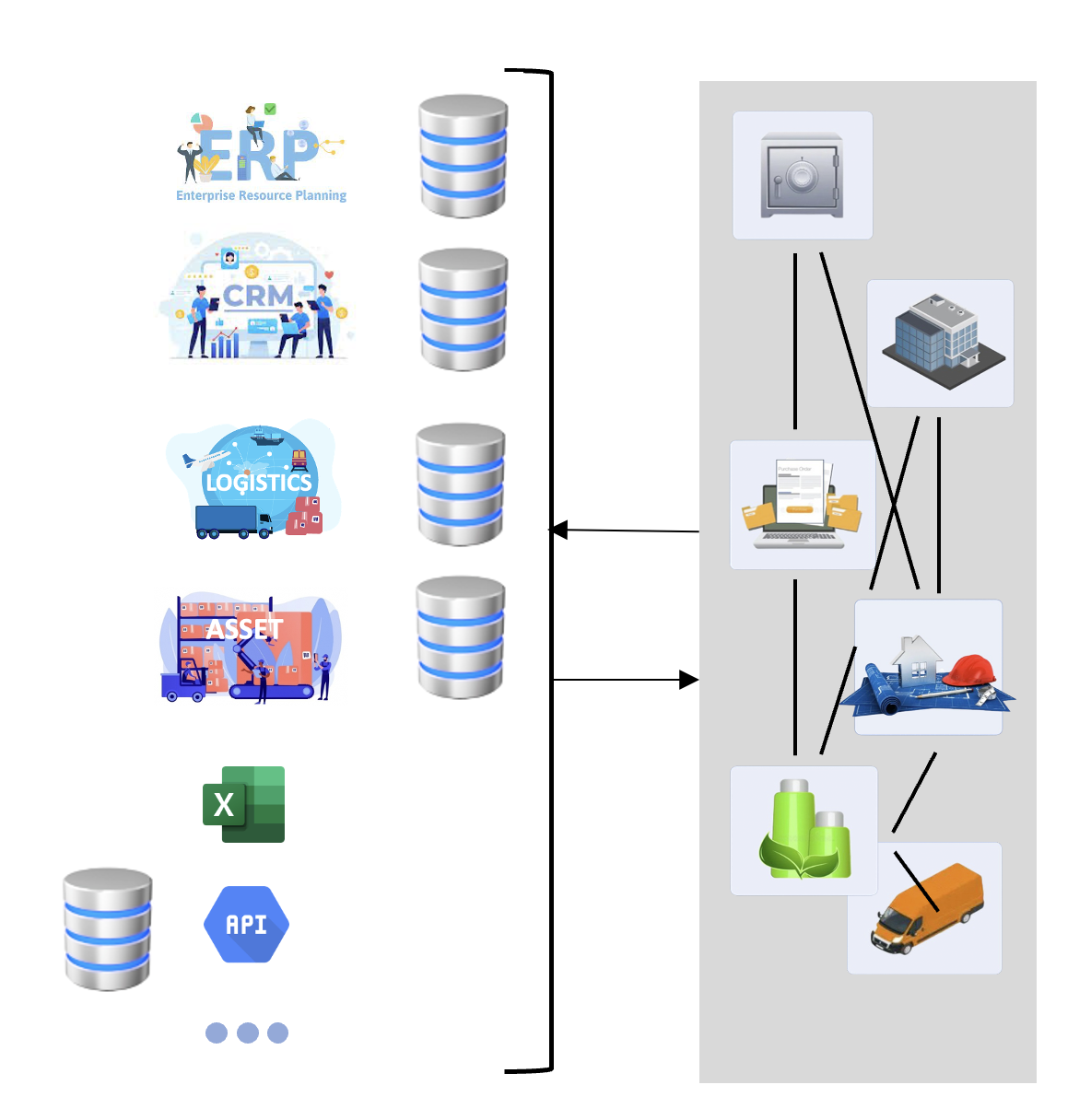
As organizational data continues to expand rapidly in volume, variety, and velocity, it takes diverse forms including structured, unstructured, streaming, edge data, and decision-generated data from employees. This 'decision data' encompasses details about:
  • decisions made,
  • options evaluated,
  • implications for data changes, and the subsequent updates to source systems.
Logic


While data plays a crucial role, decision-making necessitates a balance between logic and AI. Even with AI-driven decisions, employees play a pivotal role in shaping workflows. They utilize AI's learning and reasoning capabilities to automate tasks, improve efficiency, and analyze data for informed decision-making. Ontology serves as the bridge between human and machine logic, akin to business logic in customer service interactions. The next step involves developing the model for executing the decision, known as the action.

Logic


Data is crucial, but decision-making requires a balance with logic and AI. Despite AI-driven decisions, employees shape workflows, utilizing AI's learning and reasoning to automate tasks, enhance efficiency, and analyze data for informed decisions. Ontology connects human and machine logic, akin to business logic in customer service interactions. The next step involves developing the model for executing the decision (the action).
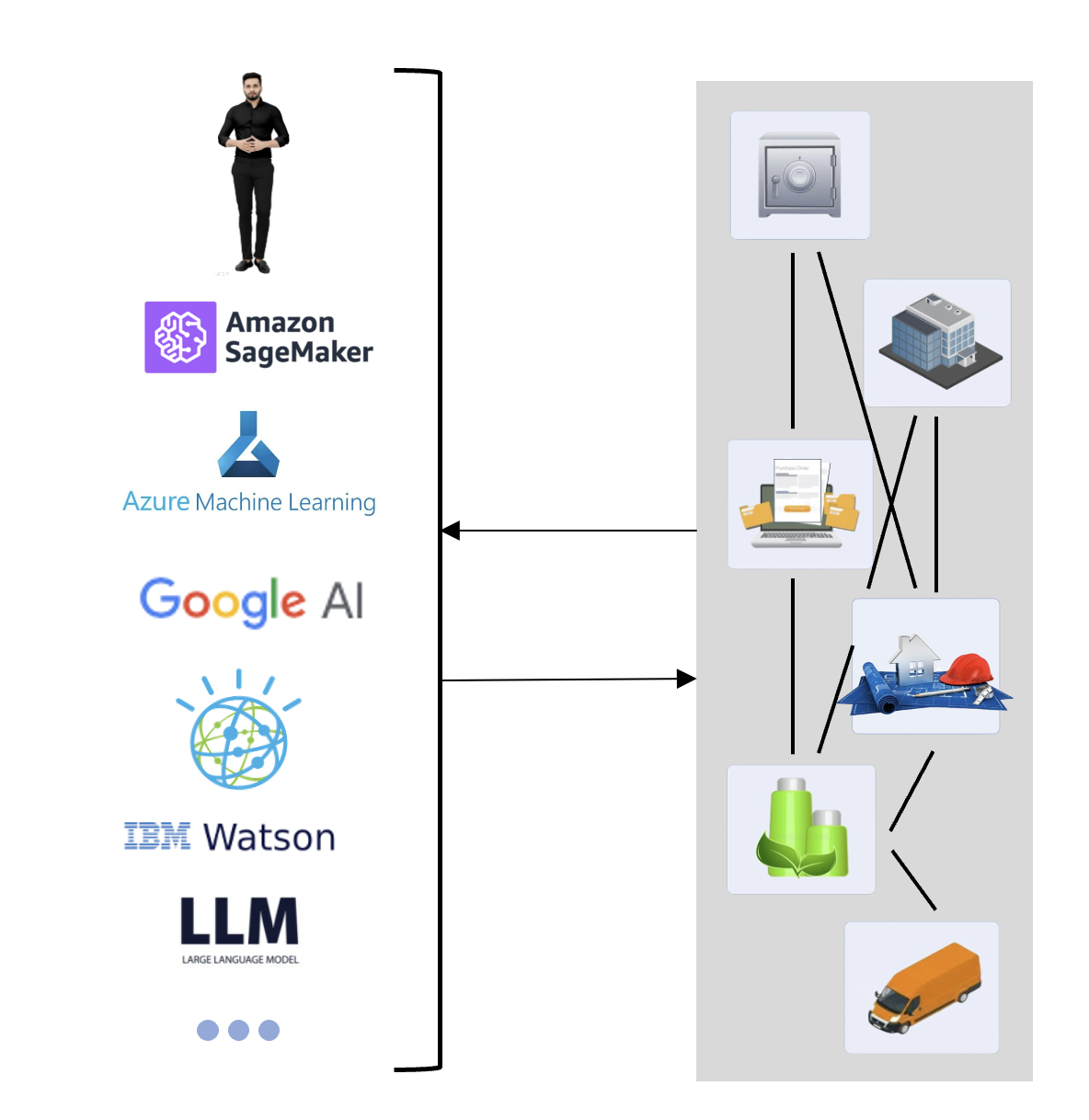
Action
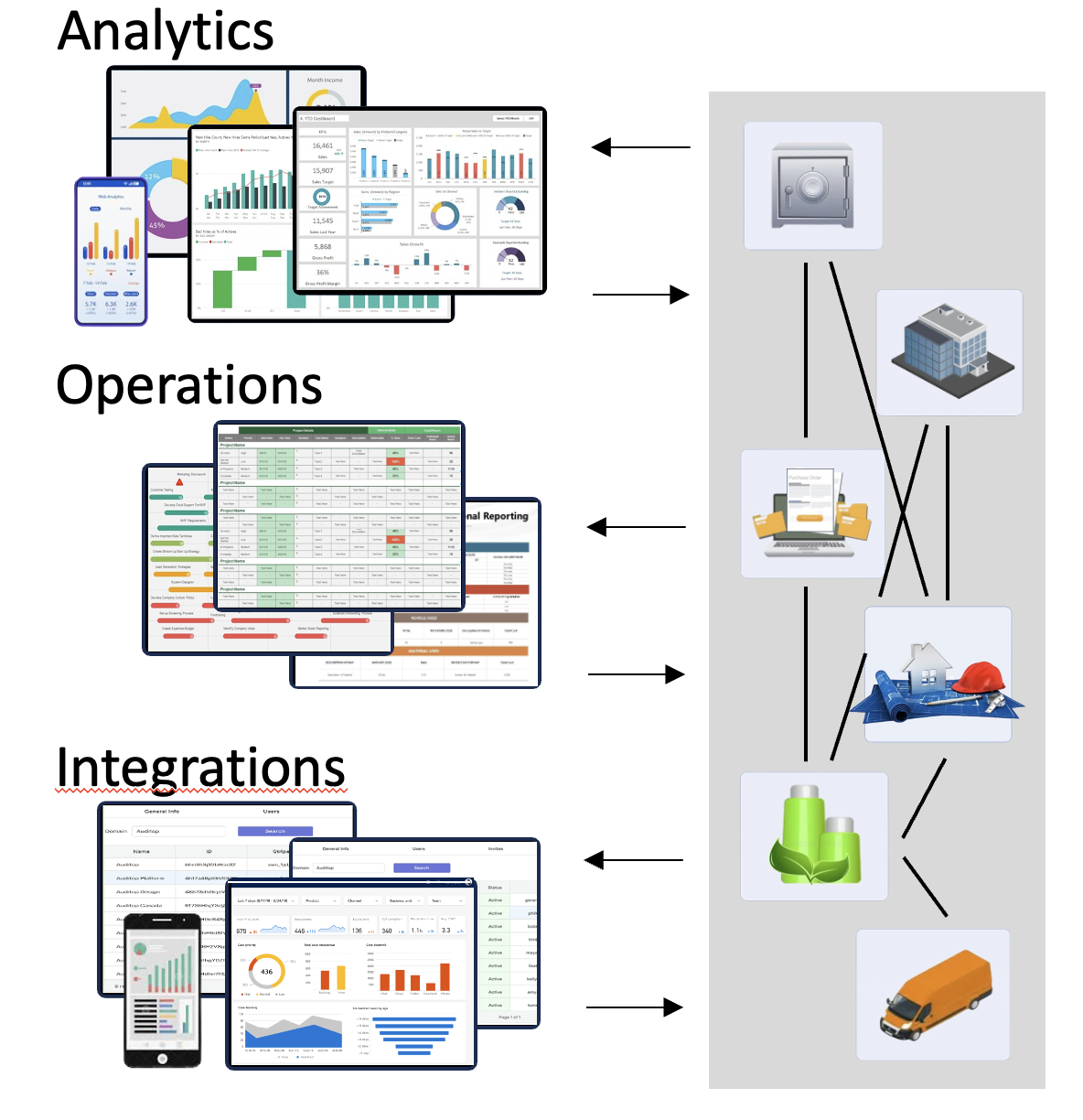

The Ontology plays a vital role in facilitating the secure execution of actions as scenarios, ensuring data and logic security while enabling secure writebacks to business entities. Closing this "action loop" in real-time decision-making distinguishes an operational system from an analytical system. In summary, the Ontology integrates data, logic, and actions into a comprehensive decision model, driven by a modular architecture from data integration to end-user workflows.

Data


Organizational data is rapidly expanding in volume, variety, and velocity, taking diverse forms such as (un)structured, streaming, edge data, and decision-generated data from employees. This "decision data" includes details about:

  • decisions made,
  • options evaluated,
  • implications for data changes, and the subsequent updates to source systems.
Image

Logic


Data is crucial, but decision-making requires a balance with logic and AI. Despite AI-driven decisions, employees shape workflows, utilizing AI's learning and reasoning to automate tasks, enhance efficiency, and analyze data for informed decisions. Ontology connects human and machine logic, akin to business logic in customer service interactions. The next step involves developing the model for executing the decision (the action).

Image

Action


The Ontology facilitates secure execution of actions as scenarios, ensuring data and logic security, and enabling secure writebacks to business entities. Closing this "action loop" in real-time decision-making distinguishes an operational system from an analytical system. In summary, Ontology integrates data, logic, and actions into a comprehensive decision model, driven by a modular architecture from data integration to end-user workflows.
ImageImage
ImageImage
ImageImage
Image

Ontology


Ontology

The Digital Twin

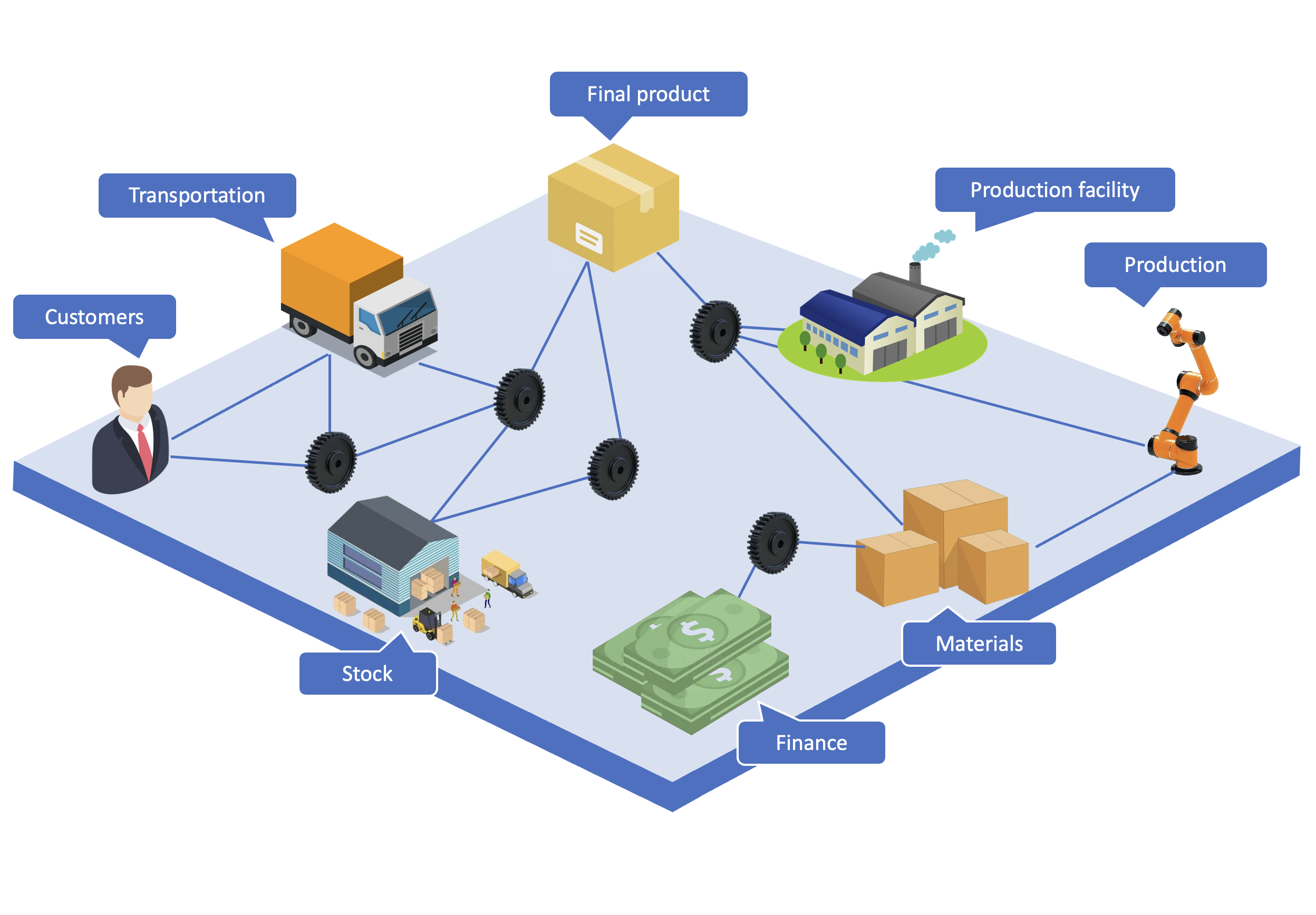
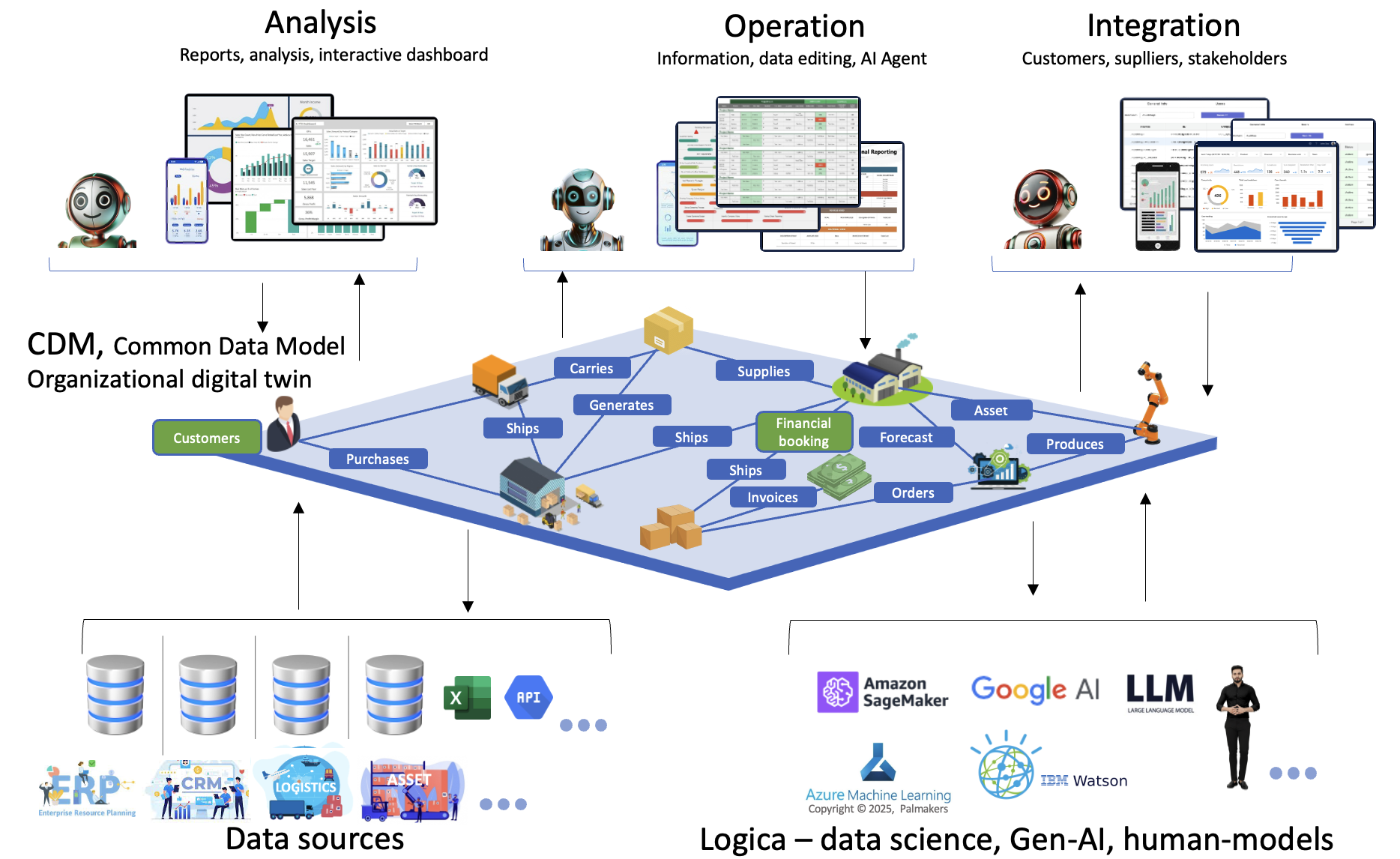
The Ontology serves as a unifying force, seamlessly integrating data, logic, and actions into a comprehensive decision model—the operational layer or "digital twin" of the organization. Representing real-world counterparts with interconnected objects, it provides rich context for both human and AI workflows. Designed to align with business intricacies, the Ontology incorporates an action loop, ensuring changed data is seamlessly communicated back to source systems.
The Ontology acts as a unifying force, seamlessly integrating data, logic, and actions into a comprehensive decision model—the operational layer or "digital twin" of the organization. Representing real-world counterparts with interconnected objects, it provides rich context for both human and AI workflows. Designed to align with business intricacies, the Ontology incorporates an action loop, ensuring changed data is seamlessly communicated back to source systems.

Linked Objects


The interconnected objects within the Ontology span from tangible assets like plants, equipment, and products to conceptual entities such as customer orders or financial transactions. This layer breathes life into the entire organizational landscape through evolving objects, properties, and real-time interconnections (links), providing a dynamic and comprehensive view of the organization's operations.
Image

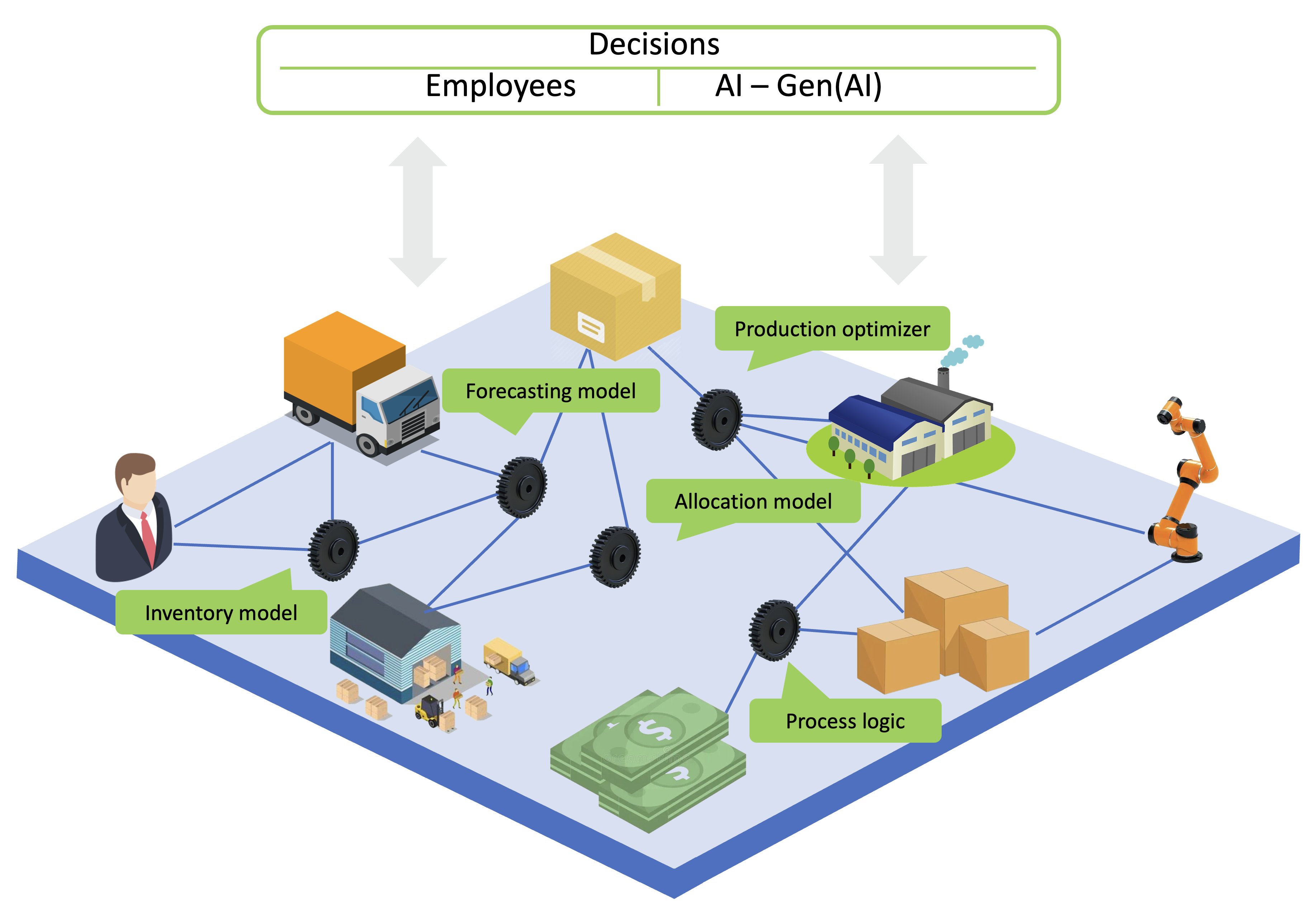
Human and (Gen) AI - driven workflows

Image
The operational layer offers a secure platform for deploying a diverse range of logic, including machine learning and various data science models. This logic is presented as readily usable tools, fostering a rich environment for both human-driven and (Gen)AI-driven workflows. The collaborative integration of human-guided logic and (Gen)AI-driven capabilities establishes an ecosystem that promotes efficiency, informed decision-making, and the convergence of forward-looking scenarios, ultimately leading to optimal organizational outcomes.
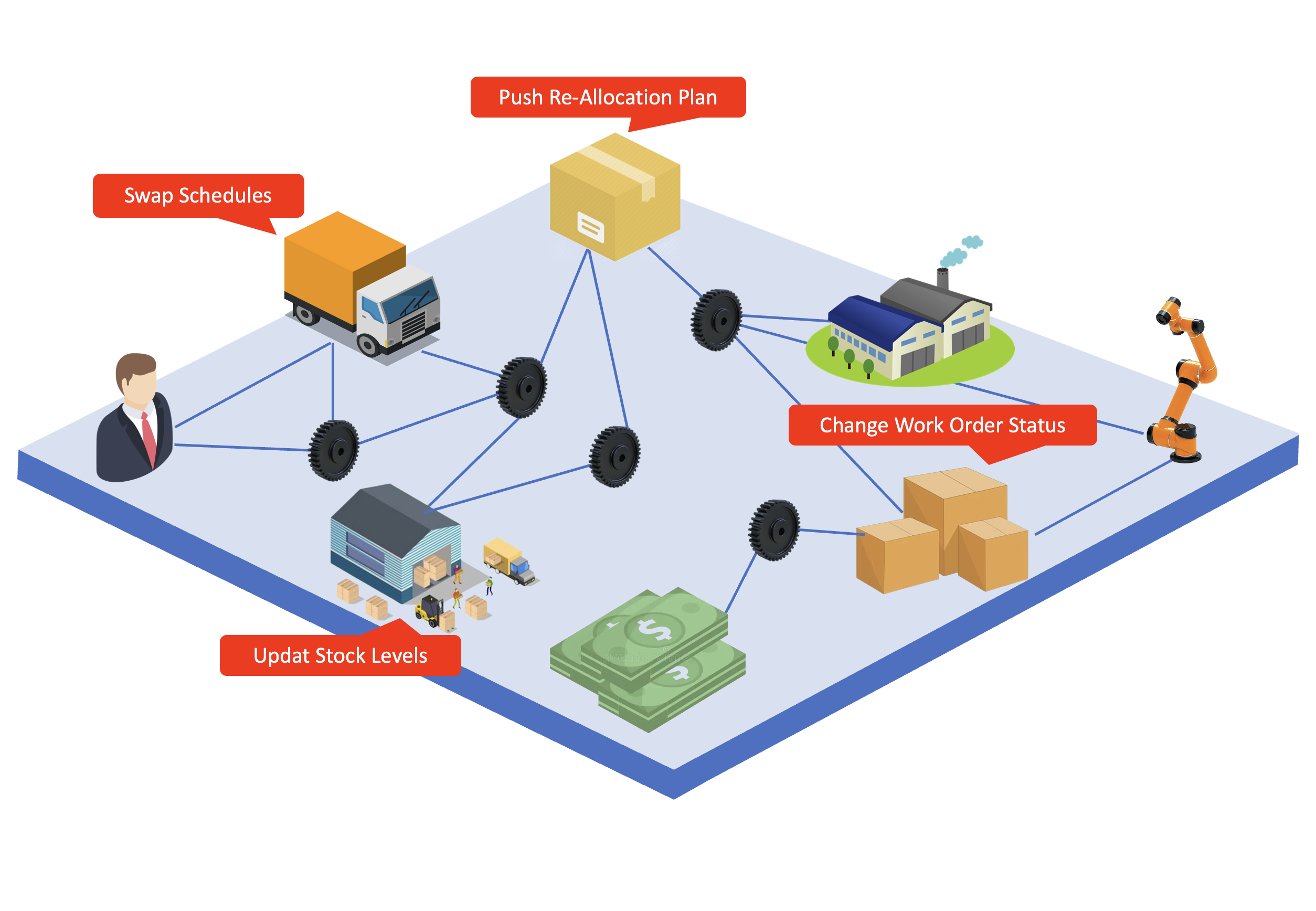
Operational decisions

While integrating data and logic is crucial, its true value is constrained unless the decisions made can be seamlessly written back to operational systems and data sources. The fulfillment of this "action loop" in real-time decision-making distinguishes an operational system from an analytical one. This ensures that the entire decision-making process is not only thorough but also dynamic and responsive to the ever-changing needs of the organization.
Image

News


News


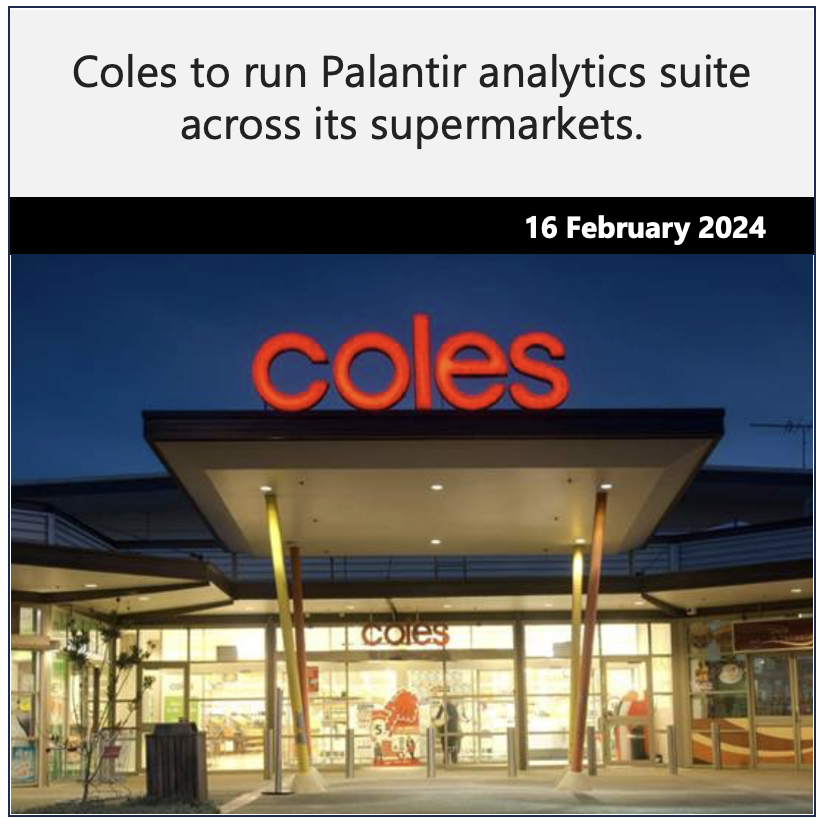
Coles to run Palantir analytics suite across its supermarkets.
Image
Is Palantir (PLTR) the Next Nvidia (NVDA)?
Unicorn Startups List And Explanation